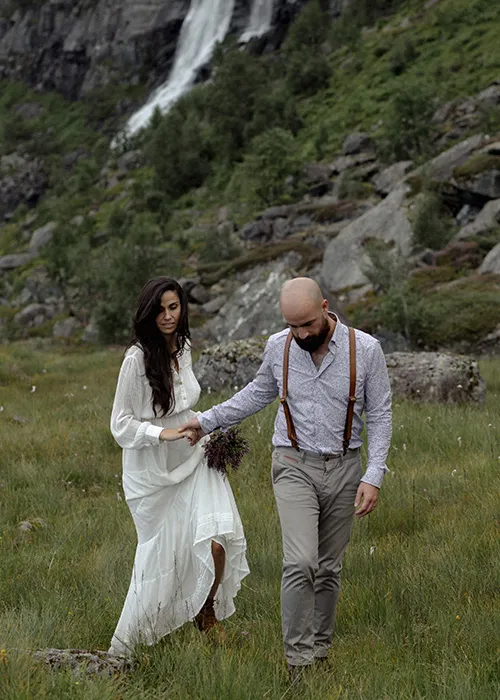
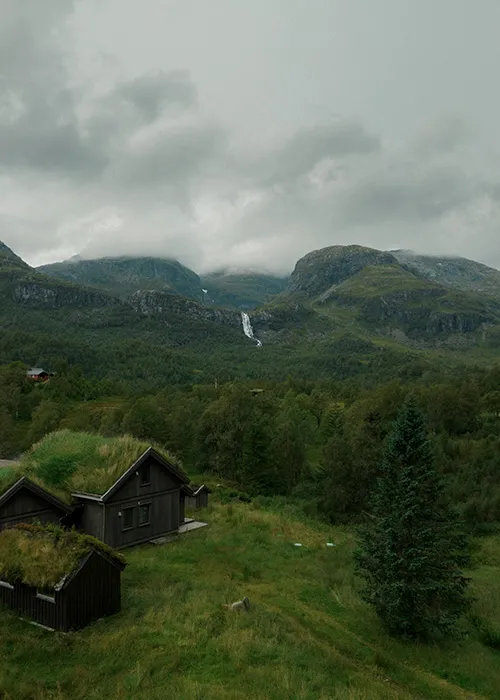
If you’re considering getting married in Norway, there’s a good chance Lofoten is already on your list. The combination of dramatic mountains, white-sand beaches, turquoise water, and small fishing villages makes it a beautiful place to spend a few days celebrating the start of your marriage.
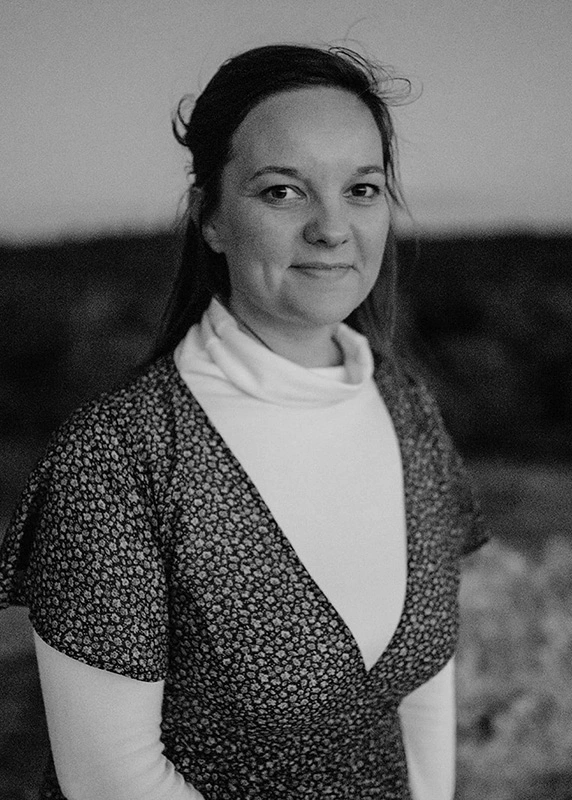
As your elopement photographer in Norway, I can help you find quieter places in the Lofoten Islands and plan a celebration that gives you time to enjoy the landscape and simply be together.
Over the years, however, the Lofoten Islands have grown in popularity and it can be difficult to know where to go to have your intimate ceremony, especially when planning from abroad. That’s why I’ve put together this guide on how to plan a destination wedding in Lofoten Islands. I’ll walk you through what makes this area so special, plus all the important details from choosing your season and location to getting around, finding somewhere to stay, and figuring out what you want your experience to look like.
And if you’re still deciding where in Norway you want to get married, this guide can also help you understand whether Lofoten fits the kind of experience you’re looking for.
Why Have a Lofoten Wedding ?
If you’re looking at Lofoten for your wedding, the landscape is probably one of the biggest reasons you’re here. And there’s a lot more to it than one beautiful viewpoint.
Lofoten is a collection of islands where dramatic mountains, white-sand beaches, turquoise water, and traditional fishing villages all come together. You can hike into the mountains in the morning, explore a fishing village in the afternoon, and end the day by the water. Haukland Beach is a good example of what makes the landscape here so unique: clear turquoise water and white sand, surrounded by steep mountains.
The changing seasons give you another reason to choose Lofoten. In summer, the midnight sun means you have daylight late into the evening, giving you plenty of flexibility with your wedding timeline. You can take your time hiking, have dinner late, or keep exploring long after you would normally expect the sun to set.
Later in the year, there’s also the possibility of seeing the Northern Lights. They’re never guaranteed, you need darkness, clear skies, and the right solar conditions, but if they appear, they can be a beautiful way to end a wedding day.
What I love about Lofoten is that your wedding doesn’t have to revolve around one location or one moment. You can combine the landscapes you’re drawn to with the experiences you want to have together. For example, staying in a traditional rorbu, taking a boat out on the water, exploring small fishing villages, hiking, or spending a slow afternoon at a sauna before dinner. Bringing all of these things together allows your wedding to become part of a much bigger experience of the islands, rather than the entire trip revolving around one day.

Were Are the Lofoten Islands ?
The Lofoten Islands are an archipelago in Nordland County, north of the Arctic Circle. The islands stretch for around 150 kilometres and are connected by roads, bridges, and tunnels, so you can explore a large part of the area by car.
While traveling by car is the most common way to get around the Lofoten Islands, keep in mind that the distances on a map can look relatively close together, but the roads are winding and depending on the season, weather can affect driving times. This is why I always recommend thinking about your ceremony location, accommodation, and the other things you want to do together as one plan rather than choosing each separately.
Were Should You Elope in Lofoten?
Choosing where to get married in Lofoten can feel overwhelming. There are so many beautiful places, and the locations you see most often online aren’t necessarily the ones that will make the most sense for your wedding day.
When I help couples choose a location, I start with the experience they want. Some people want to hike into the mountains and have a dramatic landscape around them. Others want to explore fishing villages, spend time on the beach, or have a slower day with a beautiful place to stay nearby.
I also look at how everything fits together. If you want to hike, visit a fishing village, have dinner at a local restaurant, and stay in a rorbu, I focus on finding a location that lets you do those things without spending hours driving between them.
Below, I’m sharing a few places you’ll likely come across when researching a Lofoten Islands wedding as well as a few lesser known locations I recommend:
If you’re looking for a quieter experience, I would look beyond the locations that appear in almost every travel guide. Gimsøy, Værøy, Laukvik, northern Austvågøya, and the Digermulen area can all offer beautiful landscapes with a different pace and atmosphere.
And sometimes you don’t have to go very far to find somewhere that feels more removed. There are smaller beaches, viewpoints, and trails that aren’t always obvious when you’re researching online. Some paths aren’t well marked, and the right choice can depend on the season, the weather, how much hiking you want to do, and what else you want to include in your day.
This is where local knowledge becomes useful. I work with local guides who know the area, and I also spend time understanding what you actually want from your day before we choose a location. If you’re dreaming about dramatic mountains, that might lead us in one direction, whereas if you want a beach, a fishing village, and a sauna during the same trip, we may choose somewhere completely different.

When Is the Best Time for a Lofoten Islands Wedding?
If you ask me when I would choose to get married in Lofoten, I would probably say summer or September.
June, July, and August are the easiest months for an outdoor wedding on the Lofoten Islands. There’s usually no snow to worry about, the days are incredibly long, and the midnight sun gives you a lot of freedom with your timeline.
The downside is that summer is also the busiest time. The famous beaches, viewpoints, and villages can be crowded, so you need to plan ahead if you want to visit those places or hold an intimate ceremony.
September is actually my personal pick for weddings in Lofoten. You still have a good chance of having conditions that feel like summer, but there are usually fewer people around. You also normally won’t have significant snow yet, as snow tends to arrive later in the autumn.
Speaking of autumn, October and November tend to be wetter and more unpredictable, and snow can begin appearing on the mountain peaks. By mid-January, the days are still short, but snow is more likely to cover the landscape, and the combination of snow, low winter light, and dark skies creates very different conditions for a wedding day. However, this is also when your chances of seeing the Northern Lights are strongest.
One thing to keep in mind at any time of year is that Lofoten weather can change quickly. You might have rain in the forecast and end up with beautiful weather, or have wind and cold temperatures even in summer. I prefer building some flexibility into the day so we can adjust the timing or location if the conditions change.
When Can You See the Northern Lights?
The Northern Lights are generally visible from around September through March, when the nights are dark enough to see them.
While this season gives you the highest chance of witnessing the Northern Lights, they’re never something I promise as part of your wedding day. You need darkness, clear skies, and the right solar conditions, and the weather isn’t something we can predict or control.
If seeing the Northern Lights is important to you, I recommend staying for several nights rather than planning your wedding around one evening. If they appear, sometimes the best thing to do is simply step outside your accommodation, look up, and enjoy them together.
How Do You Get Around Lofoten ?
For an elopement in Lofoten, I strongly recommend renting a car. Public transportation connects many of the main areas, but having your own car gives you much more flexibility, especially when your wedding day involves several locations.
You might want to stop somewhere beautiful along the way, adjust your plans because of the weather, or combine a hike with a beach and a fishing village. With your own car, you can make those decisions as you go rather than planning the entire day around transportation.
If you’re staying for a few days, having a car also makes it much easier to explore different parts of the islands. I recommend allowing more driving time than you might initially expect. The roads themselves are beautiful, and you’ll want time to stop and enjoy the landscape rather than rushing from one place to the next.
How Many Days Do You Need in Lofoten?
If you can, I recommend staying for about a week. Your elopement doesn’t need to take up the full week, but having several extra days gives you much more flexibility. If the weather changes, you have another day to hike. If you find a village you love, you can spend more time there. And if your wedding is only one part of a longer trip, you don’t have to fit everything into one day.
A week also gives you time to experience Lofoten rather than simply arriving, getting married, and leaving. You might spend one day hiking, another exploring fishing villages, another taking a boat out, and another doing very little except enjoying your rorbu and the view.
What Can You Do During Your Lofoten Elopement?
One of the best things about getting married in Lofoten is that your wedding day can include much more than the ceremony itself. You can build the day around the parts of the islands you’re most excited to experience together.
You might hike to your ceremony, explore a traditional fishing village, take a boat out on the water, go fishing, swim, or spend an afternoon at a sauna before dinner. You can also stay in a traditional rorbu, the historic fishing cabins that are such an important part of Lofoten, and make your accommodation part of the experience.

If you love being outdoors, you have plenty of options for exploring the landscape. You could spend part of the day hiking through the mountains, walking along a beach, or taking a scenic drive and stopping whenever something catches your eye.
And not everything needs to be an activity. Sometimes the most meaningful moments happen when you leave some space to sit together by the water, have coffee somewhere beautiful, share a meal, or simply take in where you are.
Where Should You Stay for a Lofoten Wedding?
Choose Your Location First
I generally recommend choosing your ceremony location before booking your accommodation, and then looking at the two together. Lofoten can cover much more ground than it seems on a map, and I don’t want you to choose a beautiful place to stay only to discover that your ceremony is an hour and a half away.
Where you stay will also shape how much of the islands you can comfortably explore during your trip.
Where to Base Yourself
Reine and the surrounding Moskenes area can be a good choice if you want to spend more time around the dramatic landscapes of southern Lofoten. Leknes and central Lofoten can make sense if you want to explore in different directions, while Svolvær gives you easier access to restaurants, shops, and other services.
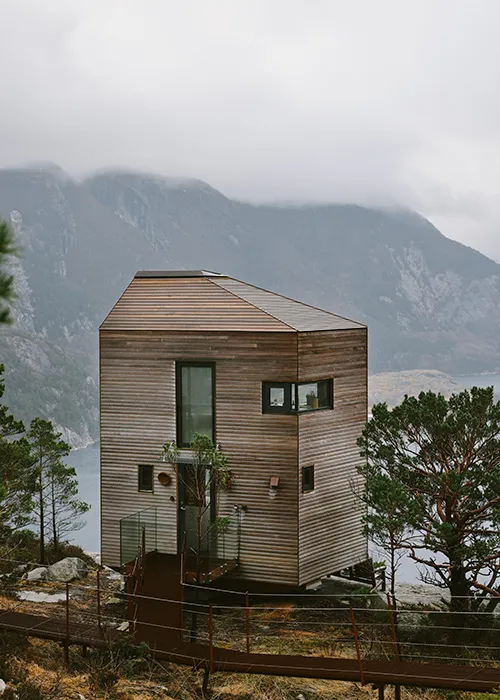
You’ll find hotels, guesthouses, cabins, and rorbuer throughout the islands. Rorbuer (or rorbu for short) are the traditional fishermen’s cabins that Lofoten is known for, and many have been renovated into comfortable places to stay.
What to Look For in Your Accommodation
If you’re planning to get ready at your accommodation or want to take some photos there before heading out, I’d pay attention to the space itself. Lofoten can be gloomy and rainy, particularly outside the midnight sun season, so large windows and plenty of natural light are worth looking for. A comfortable interior also gives you somewhere to slow down if the weather changes your plans.
I also recommend looking beyond Airbnb. Lofoten has limited housing, and the popularity of short-term rentals can make housing more difficult for local residents. Locally operated hotels, rorbuer, cabins, and platforms such as finn.no can be good alternatives.
And one last tip: if you’re eloping in summer, book your accommodation early. Popular places can fill up quickly, especially when you’re looking for a particular location or type of stay.
Can You Legally Get Married in Lofoten?
Yes. Foreign couples can legally get married in Norway, including in Lofoten, as long as they meet the Norwegian requirements.
There is some paperwork involved. The Norwegian Tax Administration needs to verify that you’re legally able to marry, and foreign citizens generally need to provide additional documentation. Once approved, the marriage licence is valid for four months.
But there’s something about getting legally married in Norway that I really love: you don’t necessarily have to get married inside a town hall.
Norwegian civil ceremonies can take place outdoors, and the official Norwegian tourism site notes that you can get married wherever you want as long as you have an authorised officiant, the two of you, and two witnesses present. In many municipalities, mayors, deputy mayors, and other appointed municipal officials can conduct civil ceremonies. Whether an officiant can travel to your particular location will depend on the municipality and the officiant, so this is something to arrange in advance.
So yes, a legal Norwegian wedding can potentially mean exchanging your vows outside, surrounded by mountains, on a beach, or somewhere else in the surrounding landscape. You just need to make sure the location and officiant are arranged ahead of time. And while Norway’s right of public access to nature (allemannsretten) means you can generally get married in nature without a permit, I always make sure the location and ceremony are respectful of the local community and won’t cause any issues.
If you’d rather keep the legal paperwork simple, you can also have a symbolic ceremony in Lofoten and get legally married at home.
To learn more about the Norwegian legal process, I have a full guide explaining in more detail:Getting Legally Married in Norway as a Foreign Citizen.
What If You Don’t Want to Get Legally Married in Norway?
Many couples choose to complete the legal part of their marriage at home and have a symbolic ceremony in Lofoten instead.
This gives you more freedom with your ceremony location and timing, and you don’t have to organize the Norwegian marriage paperwork around your trip. For some couples, it simply makes the whole experience easier.
Whether you choose a legal or symbolic ceremony in Norway, I recommend deciding early (and no later than 6 weeks before your elopement) because it can affect how we plan the rest of the day.
What Sould You Wear for a Lofoten Elopement?
Lofoten weather can change quickly, so I recommend choosing your wedding clothes with the landscape and conditions in mind rather than relying on the season alone. Even in summer, you may have wind, rain, and cooler temperatures, particularly near the coast or at the top of a mountain.
If you’re planning to hike, walk along the beach, or move between locations, your clothes should allow you to move comfortably. I’d also bring sturdy footwear for uneven or wet trails and keep a warm, dry layer and extra socks with you.
For more detailed advice on choosing wedding clothes for a Norwegian elopement, I’ve put together a Norway elopement attire guide.
How Much Does a Lofoten Elopement Cost?
Lofoten can be an expensive destination, and the costs aren’t always obvious until you start planning the trip. It’s a remote Arctic destination with high seasonal demand and limited accommodation and local capacity. When you put those things together, you’re not necessarily paying for luxury; you’re paying for the remoteness of the destination and the flexibility that comes with planning an elopement here.
Because of that, I recommend thinking about your budget as the cost of the whole trip rather than just the wedding day. Whether you stay for a few days or a full week, accommodation, rental cars, food, activities, and the additional days you spend travelling all become part of the experience.
It’s also worth noting that summer is the busiest time of year, so accommodation and rental cars can be in high demand and result in higher overall pricing. If you’re able to travel in September or another quieter period, you may have more availability and a little more flexibility when it comes to your budget.
For a more detailed breakdown of the costs involved, I’ve put together a separate guide: Cost of an Adventure Wedding in Norway.

How Far in Advance Should You Plan a Lofoten Islands Wedding?
For a summer wedding, I recommend starting around 9–12 months in advance if you can. Accommodation, rental cars, and local vendors are limited, and the most popular dates can book quickly.
I also recommend booking your photographer early rather than waiting until everything else is planned.
For a Lofoten elopement, your photographer can be involved much earlier than simply showing up on the wedding day. I can help you think through the experience you want, choose a region and ceremony location, decide between a legal and symbolic ceremony, find and share accommodation options that are only easily accessible to locals in Norway, and connect all of the pieces into a realistic timeline.
That’s particularly valuable in Lofoten because one decision often affects another. Where you get married affects where you stay. Where you stay affects how much driving you do. The season affects the weather, crowds, light, and what you can comfortably do outside.
Planning all of those things together from the beginning can make the whole experience feel much more calm.
Ready to Start Planning Your Lofoten Islands Wedding?
There’s a reason couples are drawn to the Lofoten Islands. The mountains, fishing villages, beaches, changing light, and long summer days give you so many different ways to experience this part of Norway together.
Your wedding could be a hike into the mountains, a quiet ceremony by the water, a day spent exploring fishing villages, or a combination of all of these. It could be slow and simple, with plenty of time to stop along the way and take in where you are.
You don’t need to know exactly what that looks like yet. Part of planning a destination wedding in Lofoten is figuring out which parts of the landscape and experience feel most meaningful to you, and then finding a way to bring them together.
That’s something I’d love to help you with. If you’re considering a Lofoten Islands wedding or elopement, tell me what is drawing you to this place and what you hope your time here will feel like. We can start there.